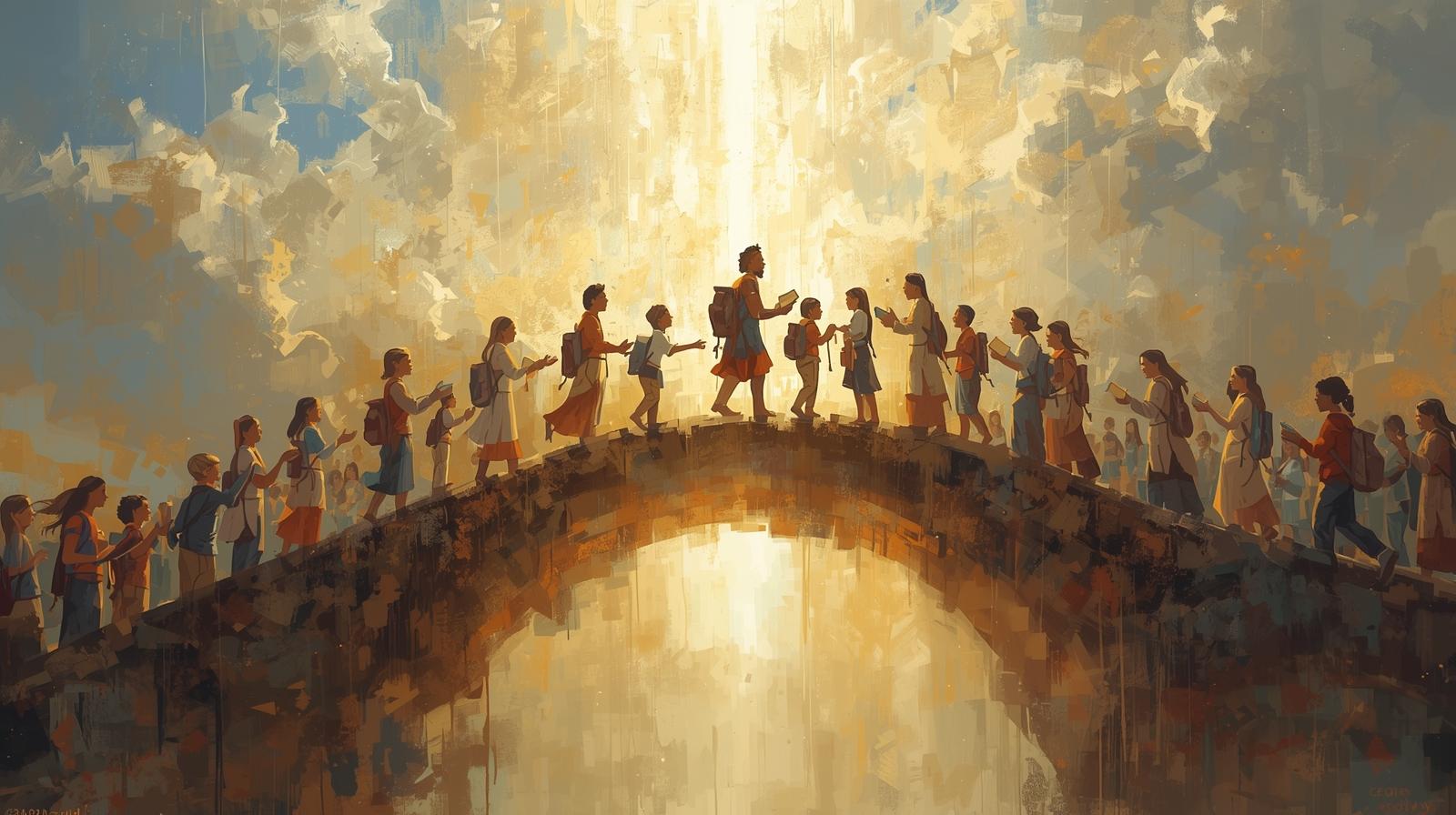
The Timeless Value of Education
Education has always been considered one of the most powerful inheritances humanity passes from one generation to another. Unlike wealth, land, or material possessions, education cannot be lost, stolen, or destroyed. It is carried within the minds and actions of individuals, shaping societies and ensuring the progress of civilization. When parents, teachers, and communities provide education, they are not merely transferring information; they are giving the key to survival, growth, and transformation.
Why Education Is More Valuable Than Wealth
- Wealth can disappear, but knowledge remains with a person for life.
- Education empowers individuals to create new opportunities, whereas inherited money without wisdom may vanish.
- Through education, people learn how to build, invent, and innovate, ensuring that each generation is more prepared than the last.
This makes education a treasure that grows in value when it is shared, unlike material possessions which diminish when divided.
The Role of Generational Transfer
From ancient traditions to modern schools, education has always been the link between past, present, and future. Elders teach values, skills, and survival techniques to the young, ensuring continuity of culture and wisdom. Today, this transfer goes beyond oral traditions; it includes scientific discoveries, digital literacy, and global awareness. Each generation adds new knowledge to the inheritance, passing it forward enriched and more advanced.
Education as a Tool for Social Progress
- It reduces poverty by giving people skills to earn and sustain livelihoods.
- It promotes equality by offering opportunities regardless of background.
- It builds stronger nations by fostering critical thinking, innovation, and unity.
In this way, education becomes not only a personal inheritance but also a collective asset that safeguards humanity’s shared future.
Challenges in Preserving This Inheritance
Despite its value, education as inheritance faces many threats:
- Lack of access in underdeveloped regions.
- Inequalities in quality between rich and poor communities.
- Overemphasis on grades instead of creativity and problem-solving.
If these challenges remain unaddressed, humanity risks breaking the chain of inheritance, leaving future generations weaker and less prepared.
The Future of Educational Inheritance
The inheritance of education must adapt with the times. Technology, artificial intelligence, and global interconnectedness are reshaping how knowledge is passed on. Digital platforms, online learning, and global collaborations allow wisdom to travel faster than ever. Still, at its core, education remains an act of responsibility—a gift handed down not just for survival, but for progress.
Conclusion: The Everlasting Treasure
Education stands as humanity’s greatest inheritance, richer than gold and more enduring than monuments. It carries the wisdom of the past, empowers the present, and prepares the future. When one generation teaches the next, they do more than preserve knowledge—they shape destiny. Ensuring that this inheritance is protected, expanded, and fairly distributed is the responsibility of every society that hopes to thrive.